
The ambitious vision of urban regeneration – revitalising communities, creating affordable housing, and building sustainable futures – is facing a significant headwind: a challenging economic climate.
S&P Global UK Construction PMI produced a report last week showing UK construction activity falling at its sharpest rate since the Covid-19 pandemic. Higher financing costs, soaring inflation, and persistent supply chain disruptions are casting a long shadow over projects across the UK and are threatening to derail progress.
The Perfect Storm for Developers:
UK developers are caught in a perfect storm. Higher interest rates make borrowing significantly more expensive, increasing the financial burden of already complex projects. Inflation simultaneously drives up the cost of materials, labour, and land, squeezing profit margins and making projects less attractive to investors.
This double whammy isn’t just about reduced profitability; it’s about viability. Projects that were once considered sound investments are increasingly becoming unfeasible, leading to delays, budget overruns, or even outright cancellations. The ripple effect of supply chain disruptions further complicates matters, causing delays and uncertainty in material availability, adding yet another layer of complexity and cost.
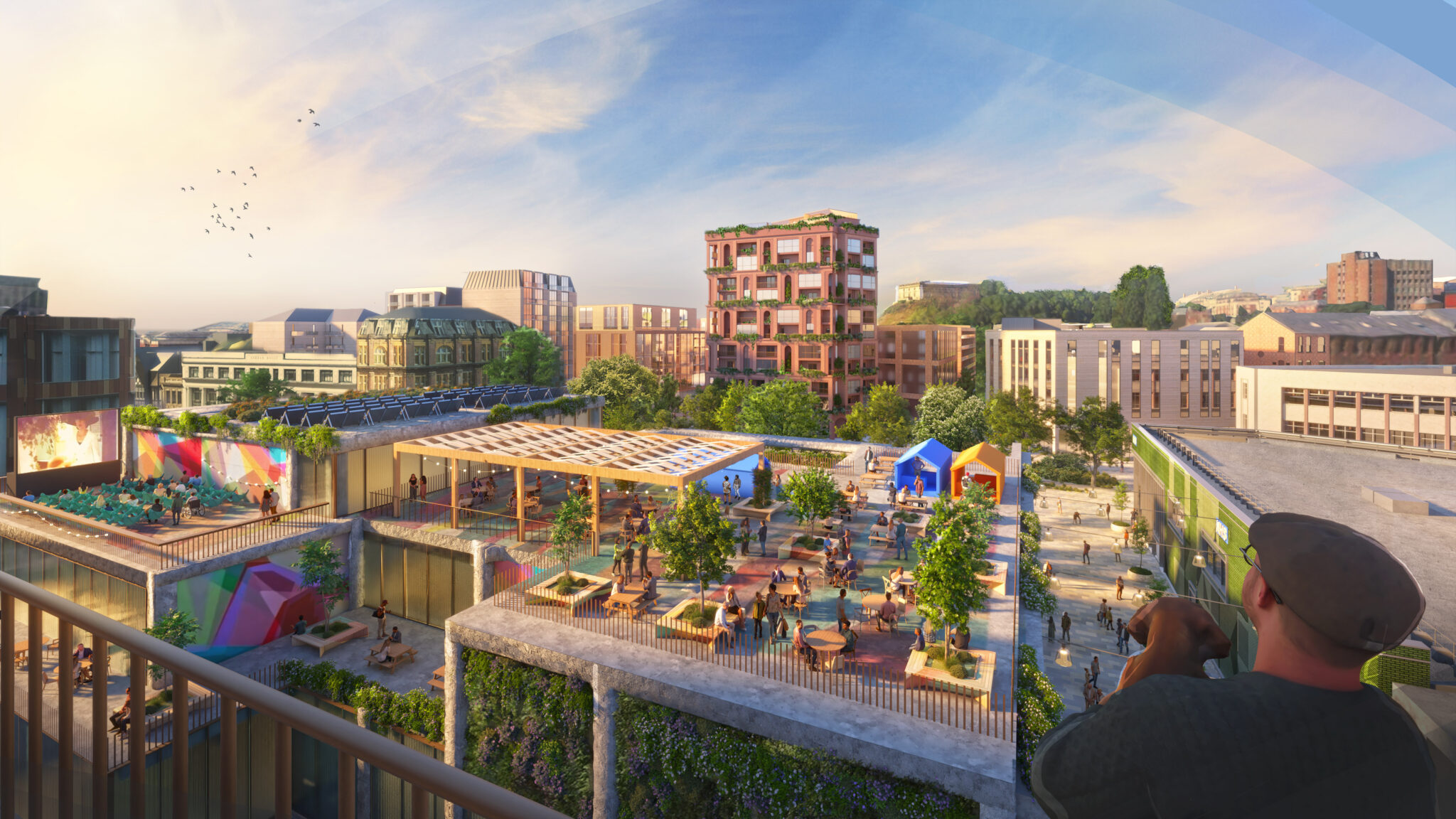
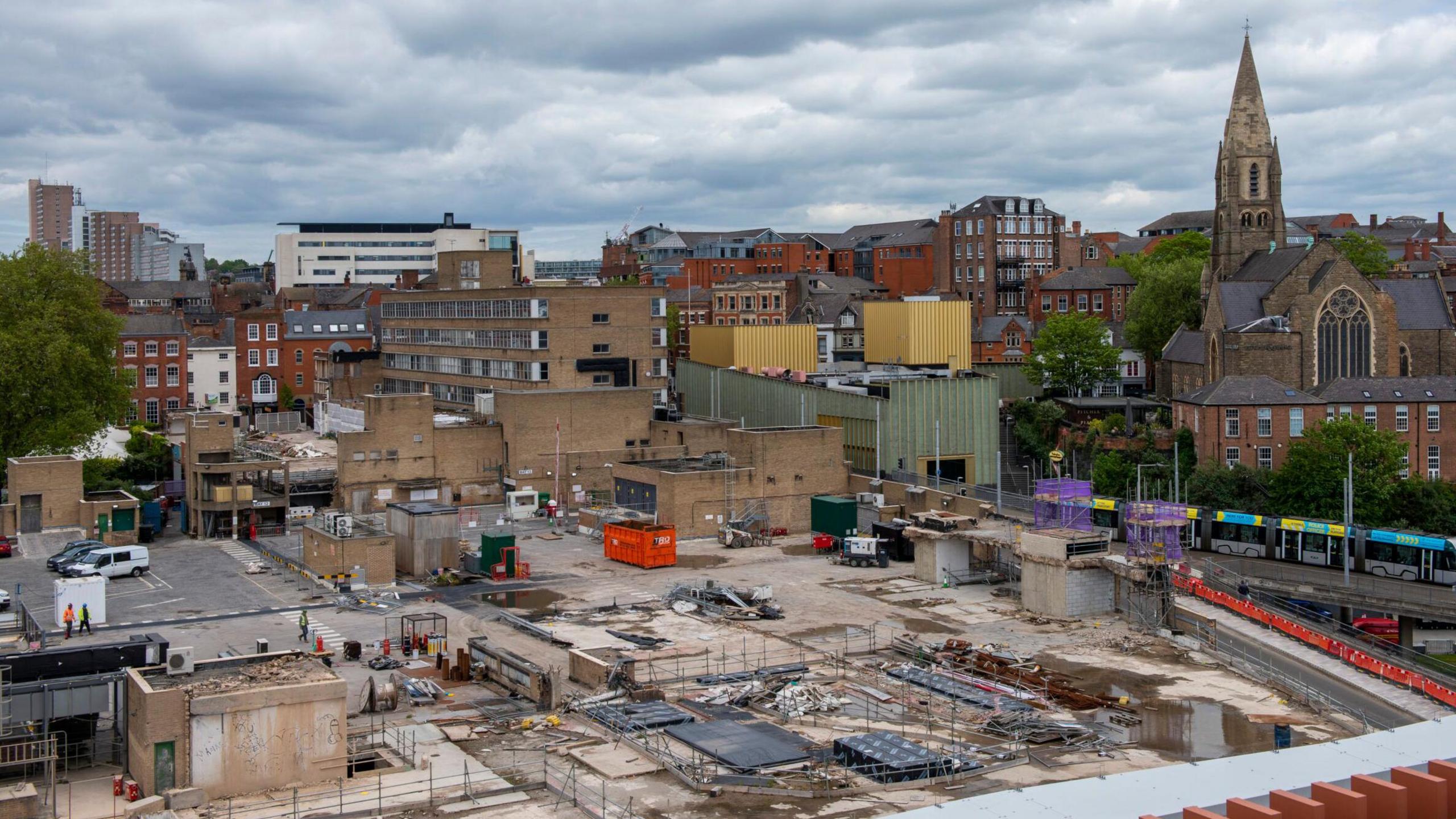
An example of stalled regeneration; The Broad Marsh site in Nottingham. Plagued by micro and local issues causing delay, and without significant Government intervention is likely to be compounded by the wider macro economic headwinds. Homes England stepped in earlier this year and acquired the site from Nottingham City Council.
The Community Impact: A Broken Promise?
The consequences extend far beyond the balance sheets of developers and investors. The communities these projects aim to serve are at risk of bearing the brunt of this imbalance. The most immediate and concerning impact is on affordable housing. Increased development costs can translate into higher asking prices, potentially pricing vulnerable communities out of the very homes these regeneration projects were intended to provide. The dream of affordable, quality housing risks becoming a broken promise.
Furthermore, the pressure to control costs may lead to compromises on design quality. Cutting corners on quality, particular material quality can result in less durable, and less sustainable buildings. It can compromise long-term value and potentially impact the health and well-being of residents. The vision of vibrant, sustainable communities could be replaced by a patchwork of hastily constructed, less desirable spaces.
Delays and cancellations are equally devastating. Communities eagerly anticipating improved infrastructure, new amenities, and revitalised public spaces find themselves left waiting, potentially exacerbating existing social and economic inequalities. The longer the wait, the greater the risk that the momentum for positive change is lost.
Navigating the Challenges: A Call for Collaboration:
The challenges are significant, but not insurmountable. Addressing this crisis requires a collaborative effort between governments, developers, investors, and communities. Government intervention, in the form of public sector grants / loans, tax incentives, and embracing private sector partnerships, is crucial to supporting the viability of affordable housing projects and ensuring that regeneration efforts aren’t stifled by economic headwinds.
It is hard to see whether sustainable design and construction methods will be prioritised in the short-term given the immediate challenges, and therefore it is imperative on those working in the industry to demonstrate the long-term benefits to investors and how this impacts their wallet.
On the planning front, the industry is waiting with baited breathe on the Planning and Infrastructure Bill, with the Government announcing that it intends to “streamline planning and consenting processes, modernise planning committees… and enhance the performance of local planning authorities”. We have all heard this one before, however the wider financial challenges places renewed focus on our governing system. The Government cannot afford to get this one wrong.
Finally, maintaining robust community engagement is paramount, ensuring that the voices of those most affected are heard and that projects remain responsive to their needs.
The Future of Regeneration:
The current economic climate presents a significant test for urban regeneration. However, by proactively addressing the challenges and fostering collaboration, we can ensure that these vital projects continue to deliver on their promise of creating vibrant, sustainable, and equitable communities for all. The alternative – a retreat from ambitious regeneration plans – would be a significant setback, leaving communities vulnerable and hindering the creation of the thriving, inclusive places we all deserve.
Sources:
S&P Global – UK construction activity falls at sharpest rate in over five years
FT – Rachel Reeves orders fresh planning overhaul for ‘critical’ infrastructure projects
Same Metcalf (the Business Desk) – The lost decade – how Broad Marsh mistakes set Nottingham back
 Shapes + Place